.png)
Exploring the Evolution and Global Demand of Kantha and Leather Batik Crafts in Shantiniketan
- gaurisawhney55
- Oct 10, 2025
- 5 min read
Shantiniketan, a serene town in West Bengal, is not just a picturesque landscape; it is a vibrant hub where art, culture, and rural revival come together. This is the birthplace of Rabindranath Tagore’s Visva-Bharati University, an institution that has played a crucial role in promoting local crafts and self-sufficient education. Tagore envisioned a space where art met rural life, encouraging local craft production to empower communities and sustain the economy.
In this post, we will examine the historical significance of Shantiniketan, explore the unique crafts of Kantha embroidery and Leather Batik, and understand the layers of community and sustainability that make these crafts vital components of a thriving rural economy.

Historical Layer
The story of Shantiniketan is intricately linked with Rabindranath Tagore's life and philosophy. Founded in 1901, Visva-Bharati was envisioned as a place where education extended beyond traditional boundaries, integrating art, culture, and nature. Tagore believed that local crafts could uplift rural communities. He actively encouraged handmade production as part of a self-reliant education model.
Tagore’s approach was groundbreaking. He recognized that education should not only focus on academics but also nurture creativity and practical skills that could provide livelihoods. By promoting local crafts, he aimed to instill pride in artisans while enabling them to thrive economically. This vision helped Shantiniketan become a vibrant center for artistic expression and rural revival.
As a result, Shantiniketan attracted skilled craftsmen and women from surrounding villages. The emphasis on local crafts preserved traditional techniques and fostered community collaboration. For instance, over 500 artisans have emerged from this initiative, creating a rich tapestry of artistic talent.
Craft Layer
Leather Batik
One of the notable crafts that emerged from Shantiniketan is Leather Batik. This unique art form combines the Indonesian batik technique with Indian designs, creating a style that reflects the region's cultural richness. Leather Batik is more than just beautiful; it represents a blend of tradition and innovation.
Creating Leather Batik involves applying wax to leather to make intricate designs that are later dyed using natural colors. Artisans produce various items, including bags, wallets, and home décor pieces. Each item reflects meticulous craftsmanship, ensuring functionality alongside artistry.
The demand for Leather Batik continues to rise, with sales growing by an estimated 20% annually in both India and international markets. As consumers become more conscious of sustainable fashion, the interest in handcrafted, small-batch products has significantly increased. Artisans now have the opportunity to reach global audiences, showcasing their skills while boosting the local economy.

Kantha Embroidery
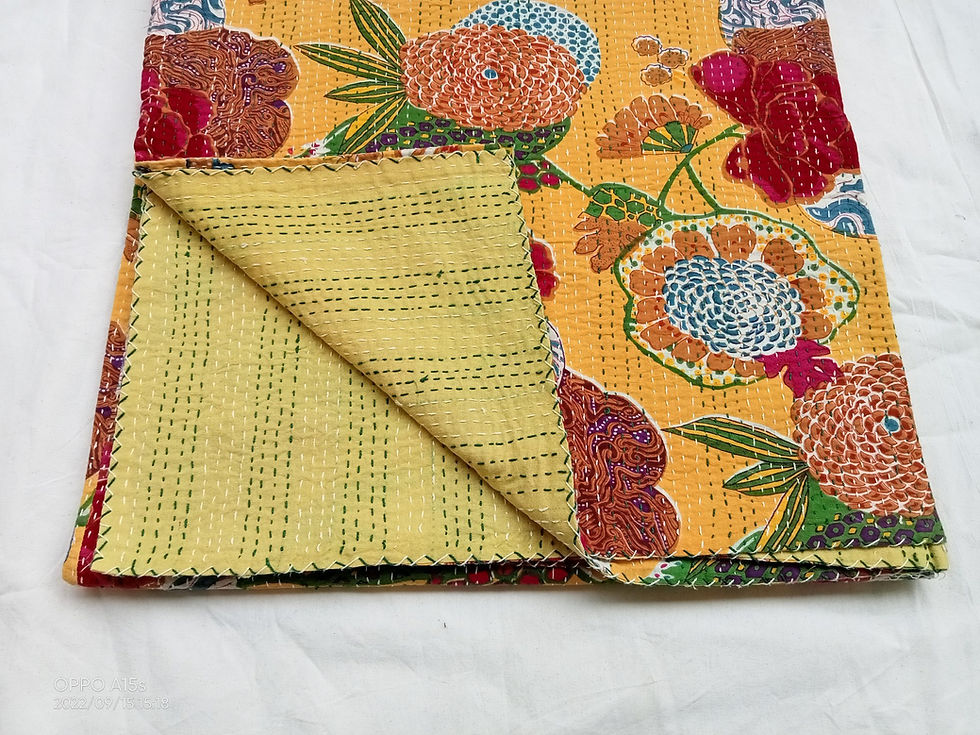
Another remarkable craft rooted in Shantiniketan is Kantha embroidery. Traditionally, Kantha was practiced by women who upcycled old saris to create quilts and textiles. Every stitch tells a unique story, weaving together the lives, dreams, and folklore of its creators.
Kantha has evolved from a domestic storytelling art into an empowering livelihood for women artisans. Its intricate designs and vibrant colors have attracted fashion enthusiasts and collectors worldwide. In 2022 alone, global sales of Kantha products increased by 30%.
The growing recognition of Kantha not only provides income for women artisans but also helps preserve Bengal's rich cultural heritage. Contemporary designers are now incorporating Kantha into high-fashion collections, further augmenting its visibility and market demand.
Community Layer
The artisans of Shantiniketan are more than just skilled craftsmen; they are part of a supportive community that thrives on collaboration. Women artisans from Bolpur, Nanoor, and the surrounding areas have come together to form self-help groups, which foster solidarity and empowerment.
Organizations like Biswa Bangla and Baul Kuthi cooperatives play a vital role in training artisans, providing necessary skills and resources to compete in the marketplace. These cooperatives not only enhance crafting abilities but also facilitate product marketing, ensuring fair compensation for artisans' work.
The community aspect of these crafts is crucial. It cultivates a network of support that encourages artisans to share knowledge and preserve traditional techniques while adapting to modern trends. For example, over 70% of women in self-help groups report improved incomes and skills due to these collaboration efforts.
Sustainability Layer
Sustainability is central to the crafts produced in Shantiniketan. Both Leather Batik and Kantha embroidery prioritize using natural or azo-free dyes, ensuring environmentally friendly production processes.
Leather Batik, produced in small batches, avoids mass-tanned leather, which typically harms the environment. This commitment to sustainability benefits artisans and appeals to consumers seeking eco-friendly products. In fact, 65% of consumers now prefer sustainable fashion options, amplifying the appeal of these crafts.
Kantha embodies circular fashion principles through the repurposing of old saris. By creating beautiful pieces from discarded textiles, artisans reduce waste and promote a sustainable livelihood, which is particularly significant in an age where textile waste is a pressing global issue.

Cultural Insight
Kantha is more than just an embroidery technique; it is a language of memory and identity. Each stitch reflects the lives and experiences of the matriarchs of Bengal. The intricate designs often depict scenes from daily life, folklore, and dreams, transforming each piece into a unique narrative.
The cultural significance of Kantha extends beyond aesthetics. It serves as a medium for women to share their stories, fostering a sense of identity and belonging. As the global demand for Kantha grows, it is crucial to honor the cultural heritage underpinning this craft and its artisans.
Economic Aspects
The production costs of Kantha and Leather Batik vary based on design complexity and materials. On average, producing a Kantha quilt ranges from ₹1,500 to ₹5,000, influenced by the size and intricacy of the embroidery. Leather Batik items, like bags and wallets, generally cost between ₹800 and ₹3,000.
While production methods have evolved, the essence of these crafts remains rooted in tradition. Artisans adhere to age-old techniques, ensuring cultural preservation as they adapt to modern demands.
In the global market, Kantha and Leather Batik have gained significant traction. With the rise of sustainable fashion, these crafts are increasingly sought after by consumers who value authenticity and craftsmanship. As demand continues to grow, artisans can reach broader audiences and secure better livelihoods.
Honoring Tradition and Craft
Shantiniketan serves as a testament to the power of art and community in fostering economic growth and cultural preservation. Kantha and Leather Batik are more than mere products; they represent the stories woven into Bengal’s rich heritage.
As global demand rises, it is essential to support artisans dedicated to preserving these traditions. By choosing to invest in handmade, sustainable products, consumers play a vital role in empowering communities and ensuring the survival of these beautiful crafts for future generations.
Turn your love for traditional crafts into a career! Enroll in Skillinabox’s Fashion Design course and master cloth printing, embroidery, and more all with hands-on training from expert. Start creating today


Comments